

No, sitting tenants do not need a new tenancy agreement when a property they are living in is sold. The agreement they signed stays in place and the new owner simply becomes the new landlord.
When a property with tenants in situ (also known as sitting tenants) is sold, it can be confusing to know what happens with the existing tenancy agreement.
Here, we explain everything you need to know about buying a property with a tenant in situ and under what circumstances a new agreement might actually be needed.
What Happens To A Tenancy Agreement When A Property Is Sold With Tenants In Situ?
When a property is sold with a tenant in situ, in essence, the tenancy agreement continues as normal.
The only thing that changes is the landlord, but all other elements of the tenancy agreement stay in place. Just because the property is now owned by someone else, doesn’t mean the contract can be broken.
This applies for both fixed-term and periodic tenancies. When you take over the property, there’s no need to draw up a new contract unless both parties agree to it or if the fixed term is over.
What that means in practice is that all the original terms – including the rent amount, notice periods, and responsibilities – stay the same.
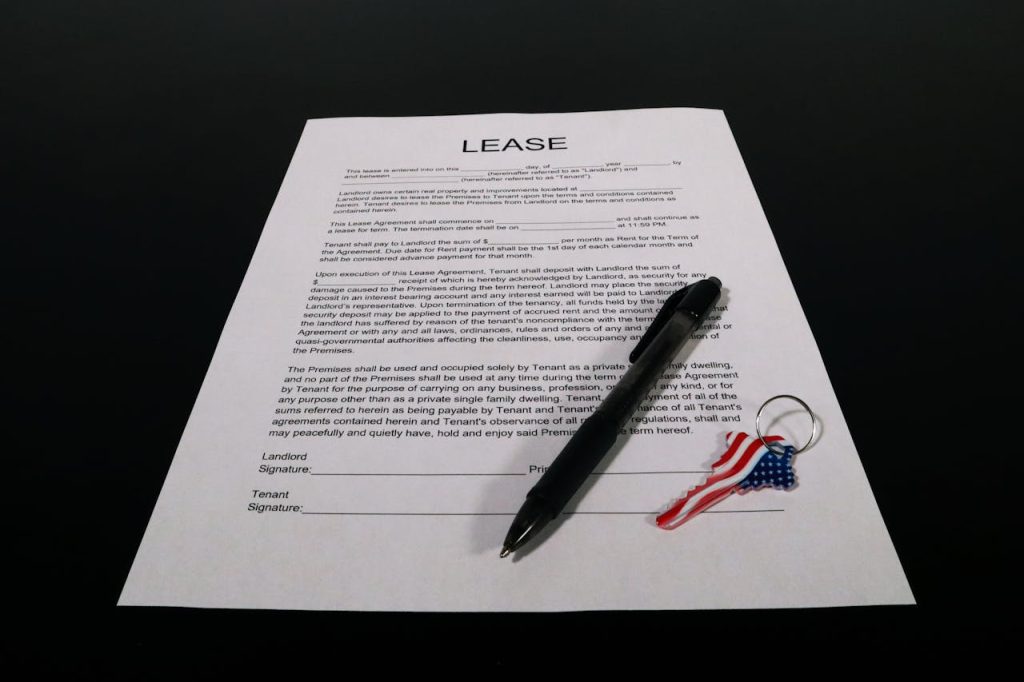
Can A New Landlord Change The Terms Of An Existing Tenancy Agreement?
No, just because a new landlord takes over a tenancy doesn’t mean they can change the terms of the agreement.
Any changes they do want to make, including rent increases or changing rules have to be agreed to by the tenant.
If the tenant is on a fixed-term tenancy, then changes like rent increases can be negotiated at the end of the term and will likely lead to an entirely new agreement being drawn up.
Can A Tenant Refuse To Sign A New Agreement?
Yes, a tenant can absolutely refuse to sign a new tenancy agreement. They’re not legally bound to sign anything they don’t want to.
When a new landlord takes over a property with a sitting tenant, the existing tenancy agreement stays in place. This means that the tenant does not have to sign a new one, unless they want to or both parties agree to change or update the terms.
As a new landlord, you can offer to update the agreement to include extra elements, but the tenant has no obligation to sign it.
What Happens If Elements Of The Agreement Were Verbal or Informal?
Even if only parts of the tenancy agreement were agreed in writing, like the rent amount and deposit details, the tenancy is still legally valid. As long as the tenant has exclusive use of the property and pays rent, they are protected in the eyes of the law.
When a property with tenants is sold:
- The entire agreement, including verbal terms, carries over to the new landlord.
- The tenant’s rights remain protected, even if the original agreement was never fully written down.
That said, it is important, before buying the property, to understand which verbal or informal terms were agreed to by the previous landlord. This can help reduce the risk of any misunderstandings and make sure both sides stay happy.
We recommend that:
Tenants should keep a written record of what was agreed, especially if something wasn’t included in the original agreement.
New landlords should speak with the outgoing landlord or letting agent to understand any verbal arrangements in place.
What Legal Responsibility Does A New Landlord Have When Taking Over A Tenancy Agreement?
Once a property is sold with tenants in situ, the new landlord has a number of legal obligations that they have to adhere to from day 1. These include:
Notification: They have to provide a written notice to the tenant confirming the change in ownership. This includes their name and an address in England or Wales where legal notices can be served (Section 3 and Section 48 Notices under the Landlord and Tenant Act 1985).
Deadline: This notice must be given to the tenant by the next due date for their rental payments, or within two months of the sale, whichever comes first.
Deposit Protection: If a deposit was paid, the new landlord has to make sure it stays in a government-approved deposit protection scheme. If they move it, they have to let the tenant know.
Maintenance and Repairs: The new landlord becomes fully responsible for all repairs and safety checks under UK rental law.
What Rights Do Sitting Tenants Have During and After the Sale?
Even during the property sale, sitting tenants keep all the rights they had before. The tenancy agreement doesn’t change, and neither do their rights.
As part of this, they have rights that protect them against unfair evictions, the right to have their deposit protected and the right to be given notice before anyone enters the property. For them, the only thing that changes is the person that they pay their rent to.
Can A New Landlord Evict A Sitting Tenant?
Yes, but only if they follow a proper legal process. A new owner can’t come in and evict a tenant because they now own the property, they have to do one of the following:
Assured Shorthold Tenancies (ASTs): A landlord can serve a Section 21 ‘no fault’ eviction (after the initial 6 months of a tenancy), giving at least two months’ notice. Or, they can use a Section 8 notice if the tenant is in rent arrears or not looking after the property.
Regulated Tenancies: These offer far stricter protection. A landlord has to prove legal grounds to end the tenancy, though it’s much more difficult.
Importantly, even if the tenant has been given an eviction notice, they have the right to stay in the property until a court grants the eviction.
When Might a New Tenancy Agreement Be Needed?
A new tenancy agreement isn’t automatically needed when a property changes hands with a tenant in situ, but might be useful if:
Both parties agree to new terms (e.g. a rent increase, change in tenancy length, or adding/removing tenants).
At the end of a fixed-term tenancy, when the tenant chooses to renew for another fixed term.
To solidify any arrangements with the new landlord that may have only been agreed to verbally previously.
If a new agreement isn’t drawn up and signed, the original agreement carries on as usual.
Tenancy Agreements With Sitting Tenants
Sitting tenants do not need a new tenancy agreement when the property they live in is sold. The existing agreement stays legally valid, and the new landlord takes over the rights and responsibilities laid out in it.
While there are times where a new agreement might be a good idea, the tenant is under no legal obligation to sign it.
If you’re looking to sell a property with a sitting tenant in place, get in touch with the team at Swift Capital today at enquiries@swiftcapital.co.uk to find out how we can help.